Caring for Freshly Cut Flowers: Essential Tips
Posted on 05/06/2025
Caring for Freshly Cut Flowers: Essential Tips
Flowers are nature's way of brightening up our spaces and lifting our spirits. Whether you've received a gorgeous bouquet for a special occasion or you've hand-picked vibrant blooms from your garden, understanding how to care for freshly cut flowers can help you enjoy their beauty for much longer. In this comprehensive guide, we'll explore the most effective tips for taking care of cut flowers at home and provide you with expert advice to make your floral arrangements last.
Why Proper Flower Care Matters
Many people love displaying fresh blooms in their homes, but are disappointed when their bouquets start to wilt or the water turns cloudy within a few days. The secret to prolonging the life of flowers lies in understanding the science behind why cut stems deteriorate and what you can do to mitigate the process. When you follow essential tips for caring for freshly cut flowers, you'll be able to:
- Maximize the longevity of your flower arrangements.
- Maintain the vibrancy and freshness of blooms.
- Reduce water and bacteria issues in your vase.
- Enhance your home's aesthetic appeal.
Essential Tips for Caring for Freshly Cut Flowers
To ensure your bouquet remains dazzling for as long as possible, consider these essential tips for fresh flower care:
1. Choosing the Right Vase
Before arranging your freshly cut flowers, select an appropriate vase. Make sure it is:
- Clean and free of any residue or bacteria.
- Large enough to allow stems to spread out comfortably.
- Deep enough to support longer stems and hold sufficient water.
2. Trimming the Stems Correctly
Always trim flower stems before placing them in water. Use sharp, clean scissors or garden shears and follow these guidelines:
- Cut about 1-2 inches from the base of each stem at a 45-degree angle.
- This angled cut increases the surface area for water absorption.
- Repeat the trimming process every 2-3 days to prevent stem blockages.
3. Remove Foliage Below the Waterline
Leaves left submerged in water will decay and promote bacterial growth. Before placing your flowers in a vase:
- Remove any foliage or leaves that will sit below the waterline.
- This step helps your flowers stay fresher for longer and keeps water clear.
4. Use Fresh, Clean Water
Always fill your vase with fresh, lukewarm water. Cold water can shock the blooms, while warm water encourages better hydration.
- Change the water every 2-3 days.
- Rinse the vase each time to remove any residue.
- Add more water as needed to keep stems submerged.
5. Feed Your Flowers
Flowers need more than just water to thrive. Most bouquets come with a small packet of flower food, which contains a balanced mix of sugar, acidifier, and antibacterial agent.
- Dissolve the contents of the packet in the water before arranging the stems.
- If you run out, you can make your own with a teaspoon of sugar, a few drops of bleach or vodka, and a teaspoon of lemon juice per quart of water.
- Flower food nourishes the blooms and suppresses bacterial growth.
6. Mind the Temperature and Location
To keep flowers fresh longer, consider where you place your arrangement:
- Avoid direct sunlight, heaters, and appliances that emit heat.
- Keep flowers away from drafts, air conditioners, or open windows.
- Don't place bouquets near ripening fruit, as the ethylene gas accelerates aging in flowers.
7. Support Blooms as Needed
Some flower types like tulips, gladiolus, or snapdragons might droop or need support. For slender-stemmed or top-heavy flowers:
- Use floral wire or a grid made from clear tape at the top of the vase.
- Arrange larger flowers to lean on the rim of the vase or against sturdier stems.
8. Refresh and Prune Regularly
Removed wilted blooms or foliage from your arrangement right away. This prevents decay from spreading to healthy flowers and helps your bouquet look its best.
- Pruning also encourages remaining flowers to open and flourish.
- Refresh water, re-trim stems, and add nutrients as needed.
9. Special Care for Different Flower Varieties
Some blooms require extra attention. Here are tips for some common varieties:
- Roses: Remove outer "guard petals," and keep stems trimmed.
- Lilies: Avoid staining by removing pollen-coated stamens.
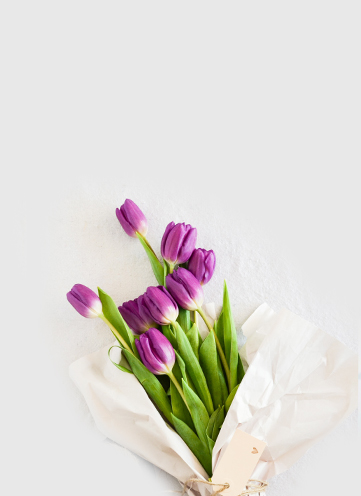
- Tulips: Add a few pennies to water to help stems stand tall.
- Hydrangeas: Submerge floppy heads in water for 30 minutes to revive them.
- Sunflowers: Replace water daily due to quick bacterial growth.
Common Mistakes to Avoid When Caring for Fresh Cut Flowers
While caring for fresh flowers can seem straightforward, avoid these frequent blunders:
- Never "top up" old water — always replace with fresh water.
- Don't over-crowd the vase, which reduces air circulation and increases decay.
- Avoid using dirty vases, which harbor bacteria harmful to stems.
- Don't forget to re-trim stems — blocked stems quickly dehydrate.
- Never mix wilting flowers with new ones, as it shortens overall bouquet life.
Frequently Asked Questions About Fresh Flower Care
How long do freshly cut flowers last?
With attentive care, most fresh flowers remain vibrant for 7-10 days, though some can last up to two weeks or longer.
What is the best way to revive wilting flowers?
Re-cut stems under running water, immerse them in fresh water, and keep them in a cool spot. Some flowers, like roses and hydrangeas, benefit from being fully submerged for 30-60 minutes.
Is it necessary to use flower food?
While not absolutely required, flower food greatly extends bouquet life by:
- Supplying nourishment to stems and blooms.
- Lowering water pH, which slows bacterial growth.
- Providing antibacterial properties to keep stems clear.
Natural Additives and DIY Flower Preservatives
Many florists recommend homemade alternatives when commercial flower food isn't available. Try these simple recipes:
- Sugar and Vinegar Solution: Combine 1 quart of water, 2 tablespoons of sugar, and 2 tablespoons of white vinegar. Sugar feeds the blooms, and vinegar inhibits bacteria.
- Lemon-Lime Soda Preservative: Mix equal parts lemon-lime soda (not diet) with water for added sugar and acidity.
- Vodka or Clear Alcohol: A few drops in the vase water can help prevent bacteria and mold.
Seasonal Flower Care: Tips for Every Time of Year
Seasonality affects flower quality and the best methods for care:
- Spring: Blooms are fresh and vigorous. Monitor for rapid water consumption as warmth increases.
- Summer: Heat accelerates wilting — change water daily and keep arrangements away from sun or fans.
- Autumn: Drier air calls for more frequent misting of delicate petals.
- Winter: Lower room temperatures prolong bloom life. Watch for drying near heaters or vents.
Summing Up: Keeping Your Cut Flowers Fresh and Beautiful
With a little knowledge and a few simple steps, you can dramatically extend the life of your freshly cut flowers. Remember to always start with a clean vase, provide fresh water and nourishment, re-trim stems frequently, and keep your bouquet in an optimal spot. By caring for freshly cut flowers the right way, you'll enjoy radiant, fragrant blooms that keep your home lively and inviting.
If you want your next bouquet to last longer, keep these essential flower care tips in mind — your blooms (and guests) will thank you!